
Massimiliano Falzari
AI Engineer Lead | LLM Agents · Reinforcement Learning · LLMOps
About Me
I bridge the gap between AI research and production-grade engineering. With an
MSc in AI from the University of Groningen and a
published background in Deep Reinforcement Learning, I focus
on building systems that are as theoretically sound as they are scalable.
Currently, I lead AI engineering at Wide Group: I own the architecture
of an event-driven AI platform built with LangGraph, Kafka, and AWS across
30+ microservices, from multimodal document processing to agent harnesses and tool-using
agents. My work centers on making LLMs reliable and observable in production, and on
setting the engineering standards the team builds on.
Beyond the code, three years as a Teaching Assistant for Deep
Learning and Cognitive Robotics sharpened my ability to translate complex concepts
into clear, actionable insights. A skill I carry into every architectural decision I make.


I thrive on building AI solutions from the ground up—balancing high-level research with the
practicality required for real-world impact.
When I'm not immersed in the world of AI, I’m usually staying active with
volleyball and swimming, or strategizing over a
game of chess.
Publications
Fisher-Guided Selective Forgetting: Mitigating The Primacy Bias in Deep Reinforcement Learning (2025)
- Introduced a novel method using the Fisher Information Matrix (FIM) to identify and mitigate the primacy bias.
- Demonstrated improved learning efficiency and performance by selectively adjusting network weights, preventing early experiences from dominating the learning process.
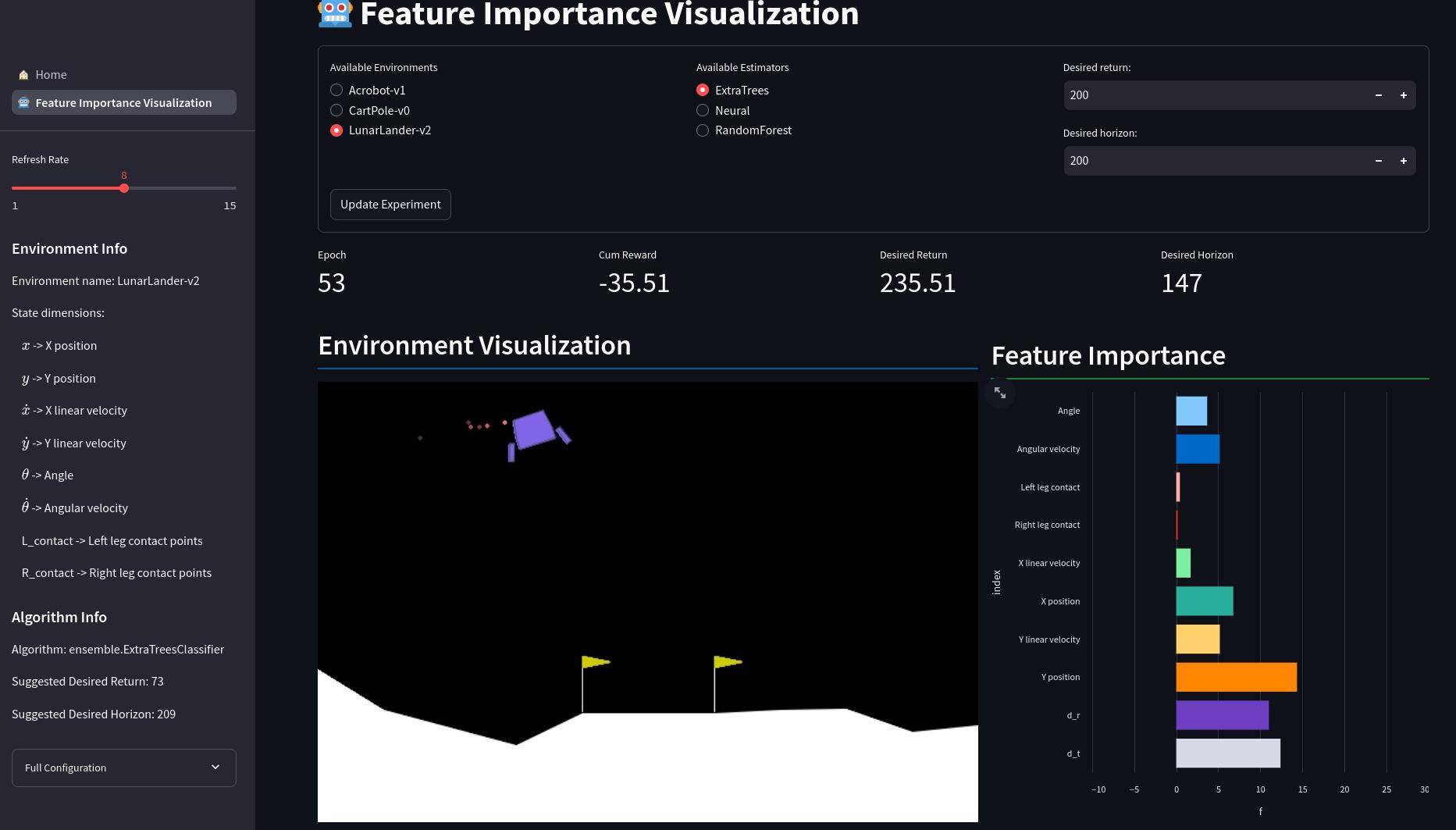
Upside-Down Reinforcement Learning for More Interpretable Optimal Control (2024)
- Implemented an innovative Upside-Down Reinforcement Learning (UDRL) framework using tree-based ML methods.
- Focused on interpretable approaches to Reinforcement Learning, demonstrating their viability in optimal control tasks.
- Contributed to the field of interpretable RL, showing tree-based methods can offer performance on par with NNs while being more transparent.
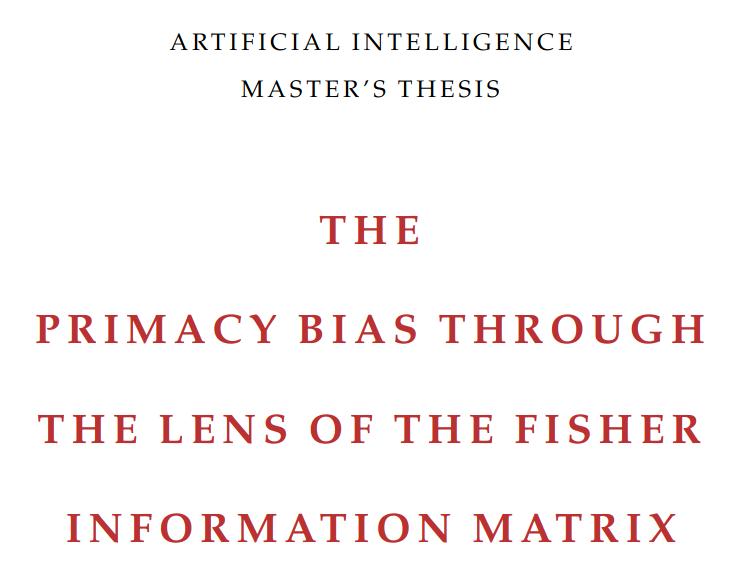
The Primacy Bias Through the Lens of the Fisher Information Matrix (2024)
- Analysed and explained the Primacy Bias phenomena by using the Fisher Information Matrix (FIM).
- Demonstrated how the FIM can identify critical memorization phases during training.
- Connected the Primacy bias to the concept of Transfer Learning
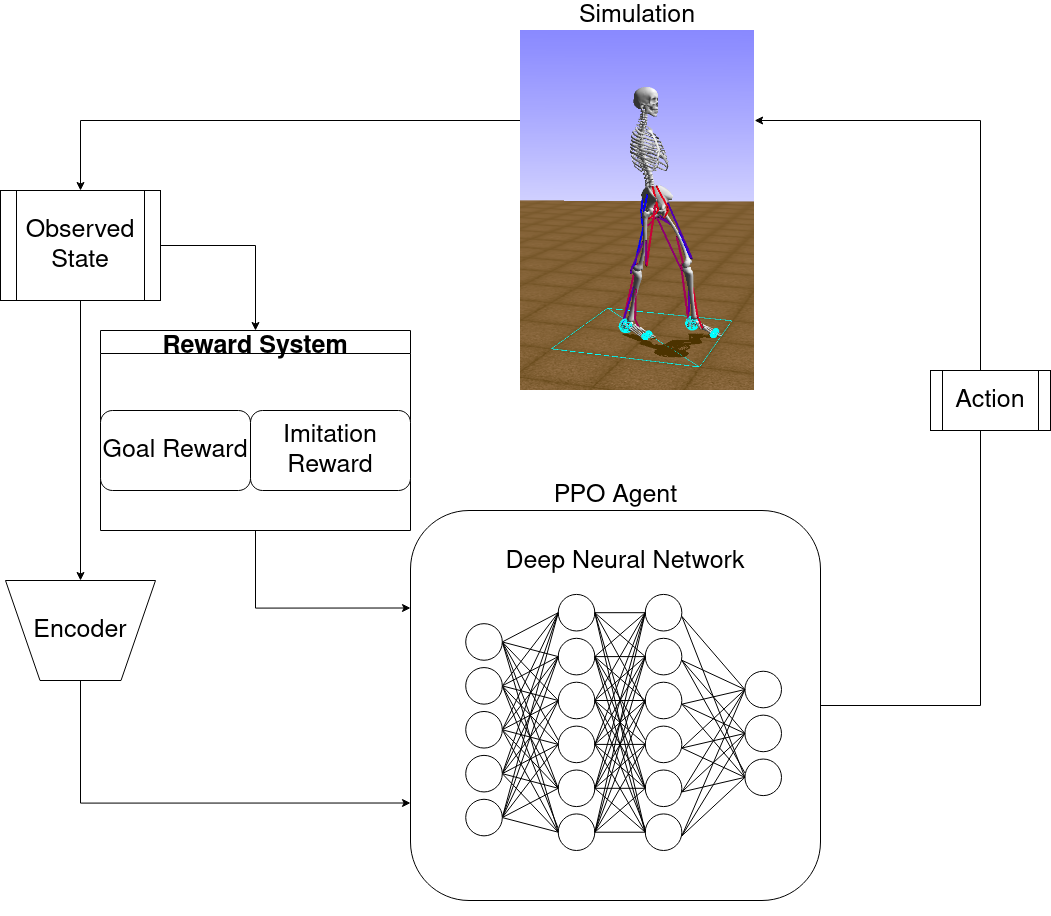
Autoencoder-based Deep Reinforcement Learning for ground-level walking of Human Musculoskeletal models
- Investigated the effectiveness of using autoencoders to improve Deep Reinforcement Learning.
- Compared undercomplete and variational autoencoders, with PPO+IL achieving best results with the undercomplete one.
- Demonstrated how autoencoders compress high-dimensional state spaces, improving learning efficiency in complex environments.
Projects
Upside-Down Reinforcement Learning for More Interpretable Optimal Control
- Source code available for a novel Upside-Down RL framework using tree-based ML methods.
- Deployed demo to experiment and understand the capabilities of tree based methods in a UDRL setting
- Implementation focuses on interpretable approaches to reinforcement learning.
Autoencoder-based Deep Reinforcement Learning for ground-level walking of Human Musculoskeletal models
Investigating LoRA for Cross-Lingual Adaptation in Word Inflection
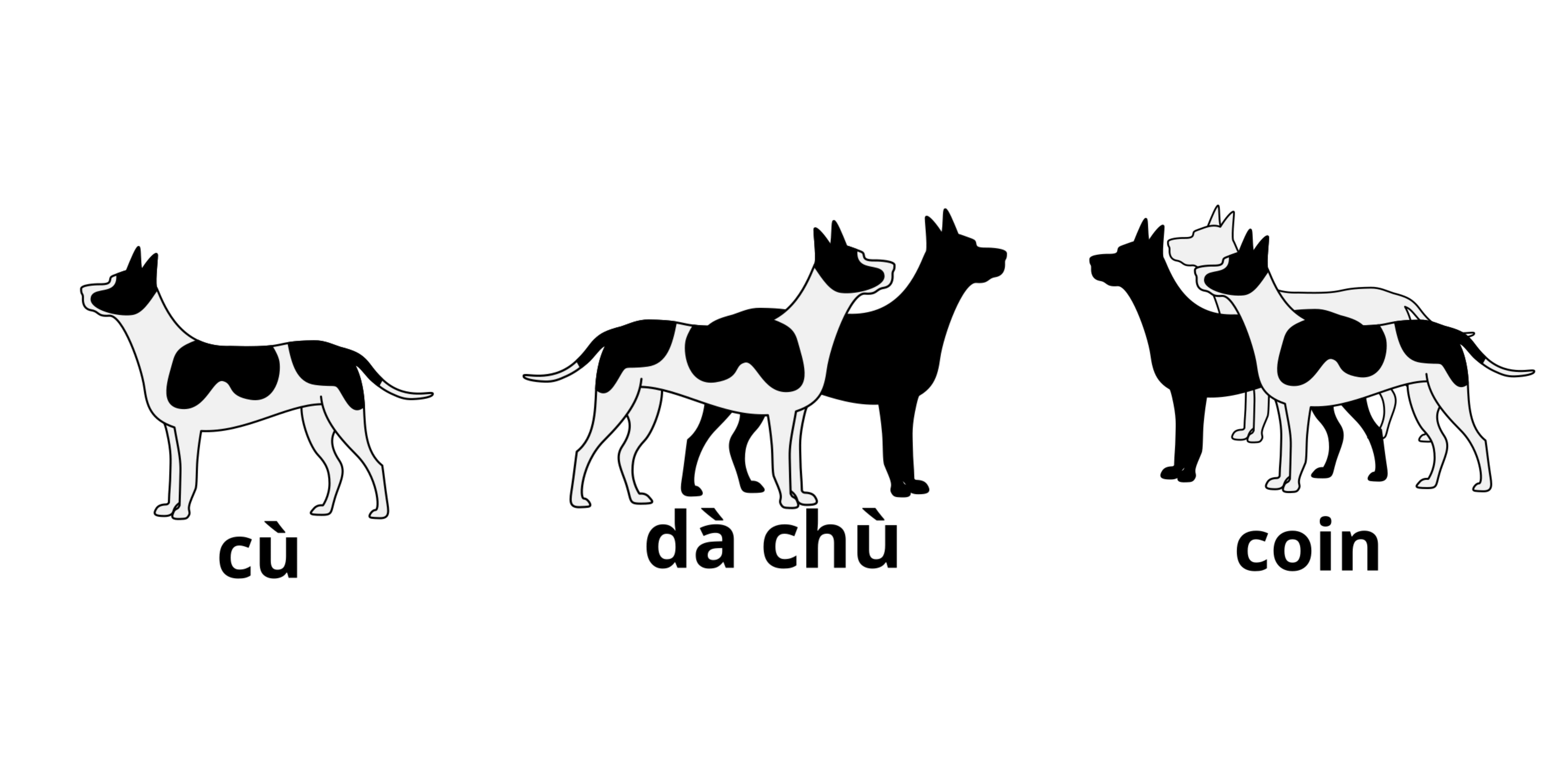
- Code available for fine-tuning ByT5 model using Low-Rank Adapters (LoRA).
- Demonstrated state-of-the-art results for morphological inflection.
- Showed benefits of pre-training with related languages.
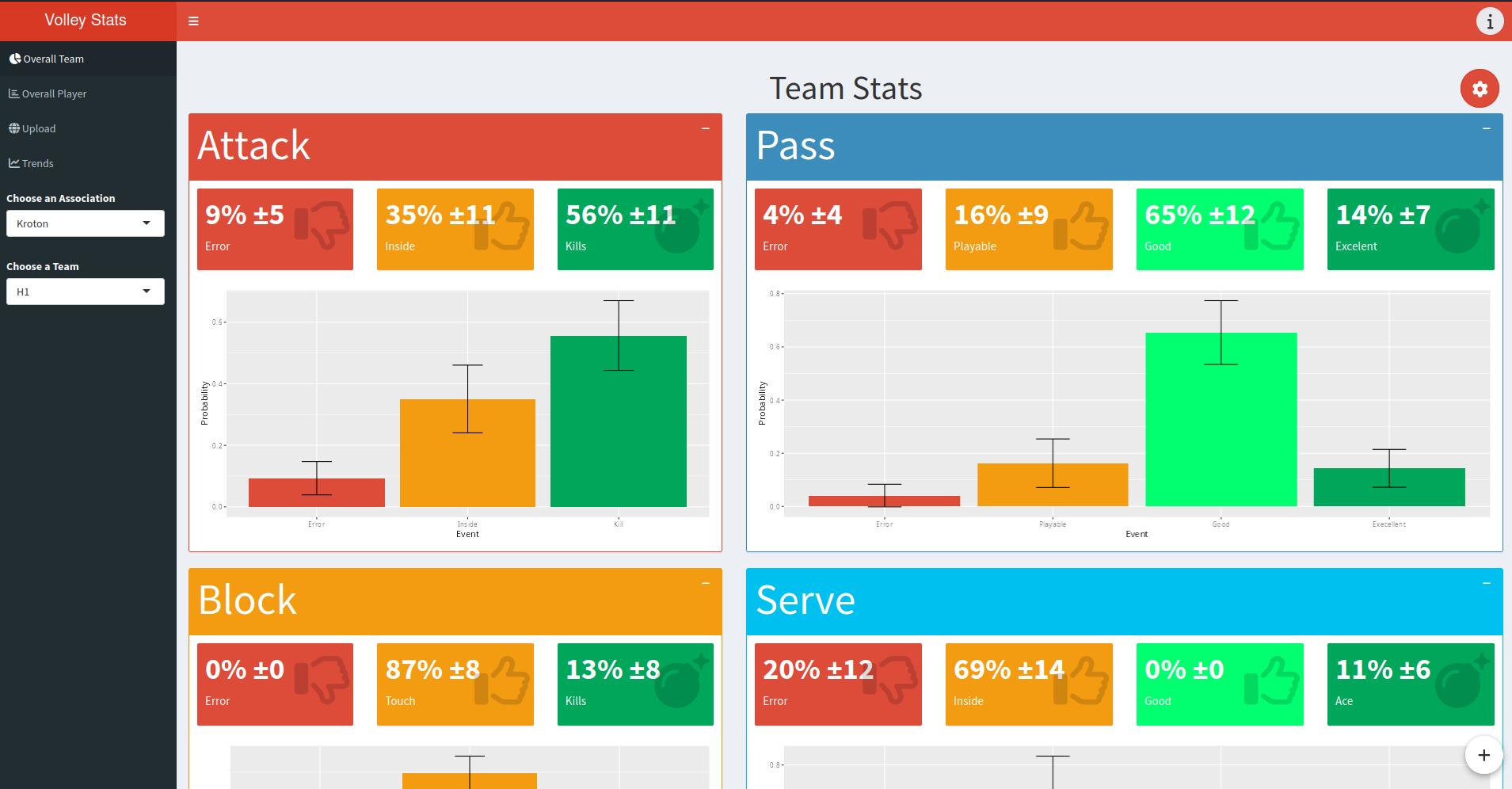
Volleyball Statistics Website
- Source code for a website to manage and visualise volleyball statistics.
- Implementation includes data management and trend analysis.
- Data organization for faster retrieval.
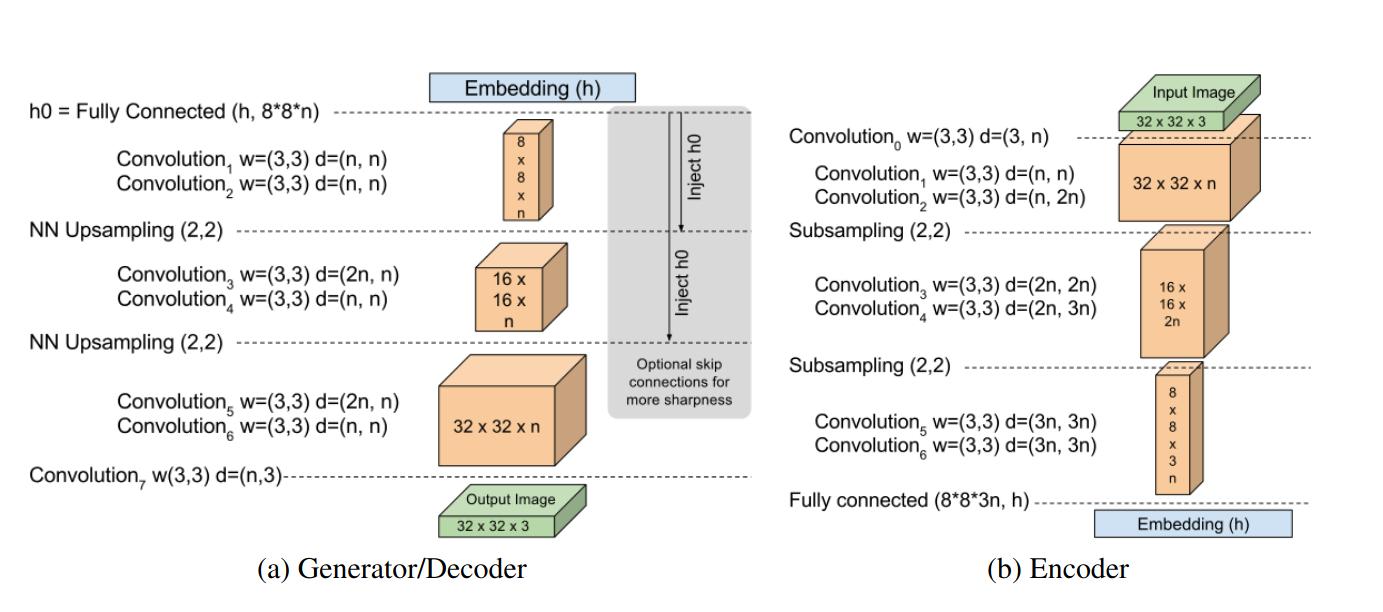
Boundary Equilibrium GAN
- Source code replicating the Boundary Equilibrium GAN paper.
- Implementation uses PyTorch, TorchVision, Numpy, and CUDA.
- Addresses mode collapse issues in GANs by promoting diverse sample generation.
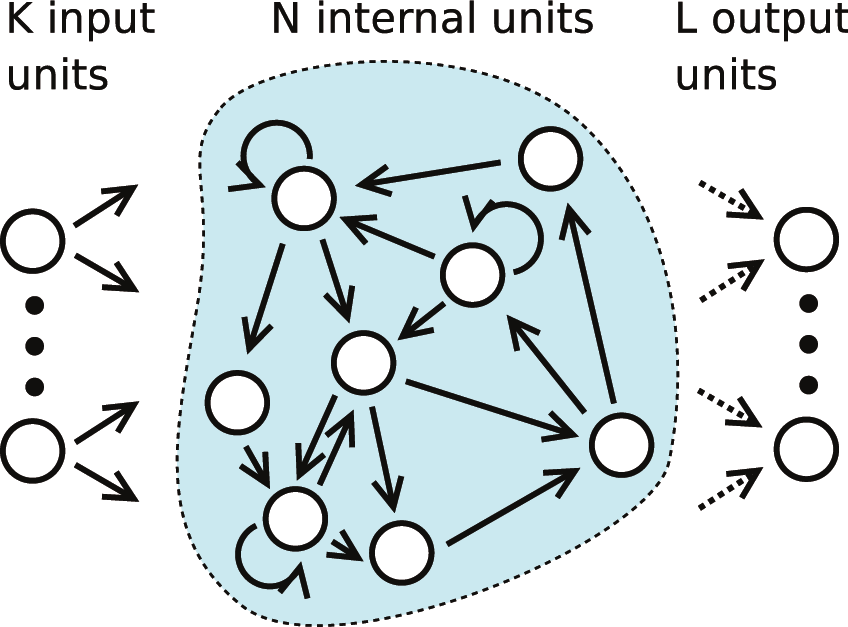
Echo State Network for Percussion-based music generation
- Source code for a project combining Particle Swarm Optimization and Echo State Networks.
- Project uses Python, NumPy, SciPy, and Matplotlib.
- Implements a method to enhance music generation tasks.
Experience

AI Engineer Lead
Widegroup | September 2026 - Current
- Own platform architecture, technical roadmap and engineering standards
- Design agentic systems: multimodal extraction, agent harness development, tool-using agents
- LLMOps end to end: Langfuse tracing, evals (LLM-as-a-judge), model and cost strategy
- Coordinate the AI project portfolio with business units and mentor the team
AI Engineer & Data Scientist
Widegroup | April 2025 - September 2026
- Develop end-to-end AI solutions for insurance document processing
- Multimodal LLM systems (LangGraph, LangChain) for information extraction and analysis
- Agent-based systems for SQL, scraping, and automation (MCP, Langfuse, LLM-as-a-judge)
- AWS infrastructure (CDK, Lambda, ECS, MSK/Kafka) + Event-Driven architecture
- Focus on LLMOps, DevOps, and developer tooling for 30+ microservices

AI Engineer
Bluegreen | March 2025 - June 2025
- Architected and developed a Retrieval-Augmented Generation (RAG) system.
- Integrated Langchain and LangGraph for advanced AI workflows.
- Built interactive UIs using Streamlit.
- Deployed with FastAPI.

AI Researcher
Engineering | December 2024 - April 2025
- Research & Innovation projects at both national and international levels
- Implement innovative methodologies and tools to optimize projects outcomes
- Design, develop and finetune prototypes in the context of LLMs
- Focus on MLOps and LLMOps.

Teaching Assistant
University of Groningen | April 2021 - August 2024
- Coordinated and organized courses
- Taught seminar groups
- Graded assignments and exams
- Supervised courses in:
- Languages and Machine
- Cognitive Robotics
- Deep Learning
- Reinforcement Learning
- Deep Reinforcement Learning

IA Consultant and Backend Developer
Basis | April 2021 - September 2021
- Developed backend solutions
- Brainstormed ideas on data treatment
- Proposed potential Machine Learning approaches
- Coordinated with frontend developers